The Hidden Costs of Utility Inflation & Legacy Infrastructure
Discover why utility bills are rising faster than inflation due to legacy infrastructure and grid upgrades. Learn how facility managers can fight back and reduce costs through demand management, equipment efficiency, and resilient energy strategies.


Have you ever stared at your utility bill and wondered why it seems to keep climbing, even if your energy use hasn’t changed? These days, your bill isn’t just about last month’s power or gas usage—it’s a snapshot of decades’ worth of pipe replacements, substation upgrades, and grid expansions, all coming home to roost. For small and midsize enterprises already operating on narrow margins, this new reality changes how you assess both your energy costs and your outage risk.
Let’s dig into what’s really driving these costs. Utility spending on aging infrastructure is now one of the biggest drivers of rising national energy costs, and the gap between what customers can afford and what utilities spend continues to widen. Did you know that two-thirds of a typical household's gas bill goes toward replacing pipelines and distribution infrastructure—not the gas itself? In 2025, gas bills climbed 60% faster than electric bills, according to a report on building decarbonization by Kevin Carbonnier and Kristin Bagdanov.
Meanwhile, electric utility companies are feeling the squeeze from two sides: soaring demand (thanks in part to the explosive growth of data centers) and higher grid-material prices. So, what does this mean for you as a facility operator? The big question is whether you can control the regulatory portion of your bill—or whether you're better off managing your load, upgrading equipment, and planning for resilience.
Key Takeaways
- Here’s the headline: Infrastructure spending—not the cost of natural gas or power generation—is now the main reason gas and electricity prices are going up in most parts of the country.
- Data center growth and rising grid-material costs are putting additional pressure on regulated utilities' capital costs, which they pass on to customers through business and residential rates.
- But don’t worry—there’s still room to maneuver. Even as utility regulators approve higher rates and energy bills climb, facility managers still control demand charges, equipment efficiency, and outage exposure.
Why Utility Costs Rise Faster Than Inflation
Let’s look at why utility bills in many areas are outpacing general inflation. It’s not about how much electricity or natural gas costs in the market—it’s that capital spending on grid infrastructure is what’s actually driving up your bills. If you’re planning next year's operating budget, keep this crucial detail in mind.
For commercial establishments, this means that rising energy bills are more about long-term capital assets being added to the regulated rate base than short-term bumps in fuel prices.
Of course, not everyone is affected equally. The situation varies by state—with rate increases concentrated in certain places rather than spread evenly nationwide. For example, residential electricity rates in California have soared by 11.8 cents per kWh over the past five years, mainly due to wildfire-related costs, according to Charles River Associates, which advises the Edison Electric Institute. New York and New England have faced similar pressures, with Maine’s rates rising by 10.3 cents per kWh in the same timeframe.
But here’s a twist: 34 states saw increases below the national average of 4 cents, and in Iowa, the rate went up by only 1.2 cents per kWh over five years. So, the idea that electricity rates are skyrocketing everywhere isn’t the full story.
The intensity of weather events caused by climate change is accelerating this trend in various locations, and wildfire risk, storm hardening, and investments in grid resilience all increase capital spending that utilities recover from customers over time.
That’s why the U.S. Energy Information Administration keeps a close eye on these regional rate swings. For your facility, tracking these numbers is a much better way to anticipate future costs than simply following overall inflation rates.
The takeaway? When you plan for utility inflation, think territory by territory—instead of relying on a one-size-fits-all average.
The Infrastructure Costs Embedded in Energy Bills
Let’s pull back the curtain on your energy bill for a moment. These days, spending on existing infrastructure—not just the cost of gas or electricity itself—is the biggest slice of what you pay. As the clean energy transition sweeps across the country, it’s important to understand how utilities recover their costs. That’s the real reason your bill can climb, even if your energy use stays the same.
Here’s a striking example: Over the last decade, gas utilities’ infrastructure spending has more than tripled, according to Inside Climate News. Most of what you’re charged now comes from pipeline replacements and gas system upgrades, rather than the fuel itself.
Every time gas utilities invest in new infrastructure, their asset portfolios grow—and so do your bills, even if commodity prices don’t budge.
Now, let’s switch to electricity. Transmission lines, substations, transformers, and switchgear are where most of the capital investment is happening. According to Morningstar DBRS analysts, we’re in the middle of a massive "super-cycle" of capital investment—possibly reaching $1.4 trillion between 2025 and 2030, which is double the spending of the previous decade (as cited by Utility Dive).
So, what does this mean for you? Investor-owned utilities pass these costs on to customers by recovering capital investments through regulated rates, earning a return on the approved amounts. The more they spend, the higher your bill. Morningstar analysts warn that relying on outdated cost estimates can backfire—if real project costs outpace old assumptions, utilities face regulatory headaches, and customers feel it in their wallets.
For investor-owned utilities, expanding capital funds is good business—it means steady returns for them, but steadily rising delivery charges for you.
Here’s something most people miss: As more customers switch to electric systems, utilities don’t just rip out their old pipelines—they keep them. That means the same fixed costs get divided among fewer gas customers, which drives up the bills for everyone who stays on the system. NBER research highlights just how big a deal this is for traditional utilities.
If you’re weighing a fuel switch or an electrification project, don’t just look at today’s unit prices. It’s smarter to factor in regional rate-base trends when calculating your payback period.
How Data Centers and Grid Demand Affect Business Rates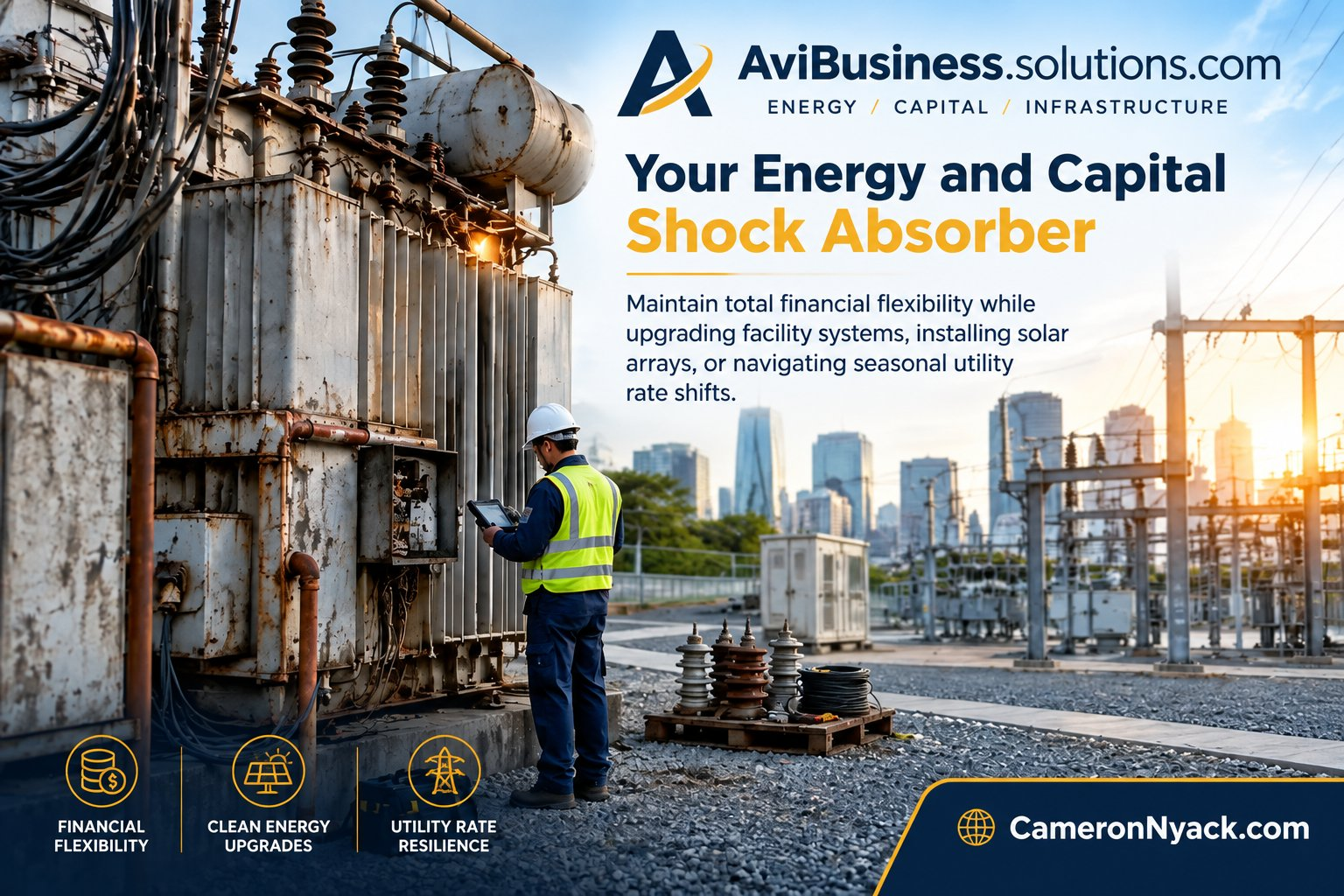
Let’s talk about one of the biggest drivers of recent electricity rate hikes: the rapid expansion of AI data centers. Even if you don’t have one in your backyard, these massive facilities are pushing up demand everywhere. As a result, peak demand spikes, and prices for grid-critical materials also climb.
And here’s the kicker—even areas without data centers are feeling the pinch. Regional transmission costs and higher equipment prices ripple through interconnected service areas, meaning no one is totally insulated from these effects.
Here’s a jaw-dropping stat: In 2025 alone, major utilities got requests for at least 700 gigawatts of new power connections—that’s more than the entire U.S. consumed in 2023! To keep up, utilities asked for over $29 billion in rate increases in just the first half of 2025, double what they’d sought the year before. The bottom line? About 40 million customers are feeling the impact.
So, why can’t the industry build enough grid to keep up? Here’s the challenge: The push for electrification and surging demand from AI are running smack into limits on grid-building capacity. The sector needs enormous amounts of metal for things like feeders, substations, and transformers—but mining can’t keep pace with demand. This drives up the cost of future projects, creates supply-chain bottlenecks, and makes prices volatile, causing delays and further raising capital costs.
Let’s put some numbers on it. EESI’s analysis of government data shows that the average U.S. electricity cost jumped from 13 cents per kilowatt-hour (pre-2019) to about 19 cents by the end of 2025—a 27% increase. And the projection? Prices could rise as much as 40% more by 2030. Some states are seeing even sharper hikes: In Virginia, for example, electricity prices shot up by a staggering 267% over five years.
Sure, investments in clean energy, battery storage, and renewables help manage peak demand, but they don’t erase the fundamental capital costs of grid expansion.
Connecting big renewable projects to faraway cities? That takes major transmission upgrades. While energy storage can help ease bottlenecks, financing these large-scale assets remains challenging for large customers. That’s why some utilities and regulators now put large users—like data centers—in special rate classes, hoping to shield residential and small-business customers from shouldering too much of the grid upgrade costs.
So what can you actually do about all of this? The good news: Co-facility operators can cut exposure to utility inflation by taking charge of demand and boosting equipment efficiency—even if you can’t change regulated rates. Start by establishing a clear baseline of your energy usage: figure out when, where, and how your facility uses energy before making any upgrades.
Let’s zoom in on demand charges for a moment—they deserve your full attention. According to Deloitte’s research, demand charges accounted for more than 30% of the total bill at over a third of facilities. In other words, it’s not just how much energy you use overall, but when you use it that really matters. By shifting your load outside peak periods through demand-response programs, you can reduce those charges—without sacrificing productivity.
If you’re looking for quick wins, start by checking your HVAC systems. Swapping out old gas furnaces and air conditioners for modern heat pumps can cut maintenance costs and lower your baseline energy bills.
Heat pumps pull double duty—they heat and cool—making them an efficient alternative to traditional gas furnaces. While they can help you manage those surprise swings in gas bills, be sure to factor in your local electricity rates, climate, and the capacity of your electrical panels before making the switch.
Want a faster payoff? LED lighting and smart building controls usually deliver quicker, more reliable returns than major heating or cooling upgrades.
Thinking about going all-electric to lower your carbon footprint? Make sure to look closely at your facility’s load profile and local rates. Electrification isn’t always a guaranteed way to save money.
Groups like the Building Decarbonization Coalition frame electrification as an essential long-term climate move. But in the short run, whether it makes financial sense depends on your local electricity prices, fossil fuel costs, and how quickly the grid is being modernized.
Let’s not forget about the risk of an outage. Unplanned downtime isn’t just inconvenient—it can cost anywhere from $8,000 to $10,000 per minute, depending on your size and industry. Altogether, U.S. businesses lose an estimated $150 billion a year to outages across sectors such as manufacturing, logistics, healthcare, and commercial operations. And here’s the worrying part: the longest outages in the U.S. lasted over 60% longer in 2025 than they did in 2022.
If your facility handles perishable inventory, runs a continuous production line, or relies on critical safety systems, the risks are even higher. In those cases, it’s worth looking into on-site generation, battery storage, or a microgrid backup. Not only can storage keep essential operations running during an outage, but it can also help you avoid costly peak-demand charges when the grid is under stress.
Managing Utility Costs Requires a Resilient Facility Strategy
Let’s shift gears to strategy. When you think about your facility, don’t treat utility cost control and outage protection as separate concerns—they’re two sides of the same coin. State utility regulations, rate cases, and recovery rules all shape how those infrastructure costs show up on your bill.
Big-picture policy moves matter, too. For example, federal measures from the Trump administration (along with state oversight) changed how quickly permits are granted and which rules apply to pipelines. That era focused on expanding domestic infrastructure and streamlining reviews.
So, when federal policies or state rules shift, it directly changes how utilities plan their investments—and how those costs get passed on to you.
Here’s a wrinkle most people don’t expect: Utility regulators approve rate increases through formal rate cases, which decide how utilities recover their costs. But there’s often a time gap between when utilities spend on capital and when regulators let them recoup those costs—a "regulatory lag" that can cause unexpected spikes in your bill.
This same effect hits customers still on old gas systems. As more people switch to electric and leave, the remaining customers have to shoulder a bigger share of fixed infrastructure costs—another reason bills can keep climbing, even as usage drops.
Utilities aren’t just standing still, though. Many are exploring alternatives like thermal and geothermal energy networks or sewer heat recovery, which can meet heating and cooling needs with much less capital—and without constantly adding new pipelines.
Thermal energy networks, for example, help reduce peak demand and avoid pricey pipe replacements by circulating water to move heat between buildings. If your facility is in an area with these networks, you can expect more stable energy bills than those stuck on old gas infrastructure.
The Regenerative Markets Institute (RMI) has a playbook for keeping costs in check—including better planning, coordinating gas and electric regulation, and avoiding wasteful system expansion. While no approach guarantees lower bills, it’s worth seeing if your area is actively working to rein in rate-base growth or just letting capital spending run wild.
The bottom line? Facilities that pair demand monitoring with targeted HVAC and lighting upgrades—plus a resilience plan based on real downtime costs—are far better prepared than those who react to each rate hike. If you keep an eye on local rate cases and your own usage trends every year, you can make smarter capital decisions and focus on what’s actually within your control.
Frequently Asked Questions
Why are utility bills rising?
Utility bills are rising faster than inflation, mostly due to infrastructure spending—not just fuel or generation costs. For example, in 2025, gas utility bills rose 60% faster than electric bills and 4 times as fast as general inflation, mainly due to pipeline replacements and investments in the distribution system.
Will switching to electric equipment reduce my facility's energy costs?
It can in some areas—replacing old gas furnaces with high-efficiency heat pumps could lower your operating costs. But the outcome really depends on your local electricity and gas rates. Facilities left on shrinking gas systems often pay higher bills because fewer customers are sharing the fixed costs, and electricity rates tend to rise more in regions packed with data centers.
By how much can demand charges increase a commercial utility bill?
Demand charges can be a big chunk—over 30% of the total bill for more than a third of facilities, according to Deloitte. You can bring that down by lowering peak-hour consumption with demand-response programs or load shifting, all without cutting your overall energy use.
In a Deloitte review of enterprise energy costs, demand charges accounted for more than 30% of the total bill at over a third of the facilities analyzed. You can reduce this portion of the bill considerably by lowering peak-hour consumption through load shifting or demand-response schemes without reducing overall energy use.
Are data centers the main reason my electricity rates are going up?
Data centers definitely play a major role in many regions—they boost both peak demand and the cost of grid components like transformers and switchgear. But they’re not the only reason rates go up. Spending on old infrastructure, wildfires, storms, and changes in wholesale power prices also drive increases, and the mix of factors depends on where you’re located.
What’s the cheapest first move to cut energy costs at my facility?
Start by establishing a baseline for your facility’s consumption and demand. That’ll help you see whether your costs come from overall usage, peak demand, or inefficient equipment. Once you know where you stand, improvements to HVAC systems and lighting usually give the best bang for your buck—before you consider bigger-ticket items like on-site storage or backup generation.

#UtilityCosts #EnergyInflation #FacilityManagement #GridInfrastructure #BusinessStrategy