Profitability as a Leadership Discipline: Eliminating Static Budget Drag and Securing Financial Agility
Discover how to treat profitability as a hands-on leadership discipline by eliminating static budgets, rolling out dynamic forecasts, and conducting a supportive capacity audit to protect margins and secure true financial agility.

Profitability as a Leadership Discipline: Eliminating Static Budget Drag and Securing Financial Agility
Let’s be honest — revenue growth doesn’t mean much if it drains your cash and eats away at your margins. That’s the heart of Cameron Nyack’s argument: profitability doesn’t just happen in the background; it should be a hands-on leadership discipline.
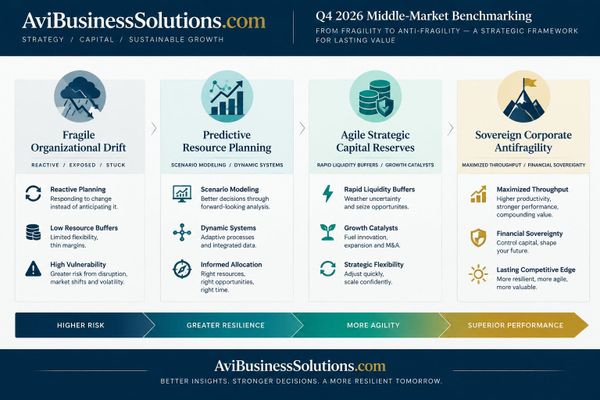
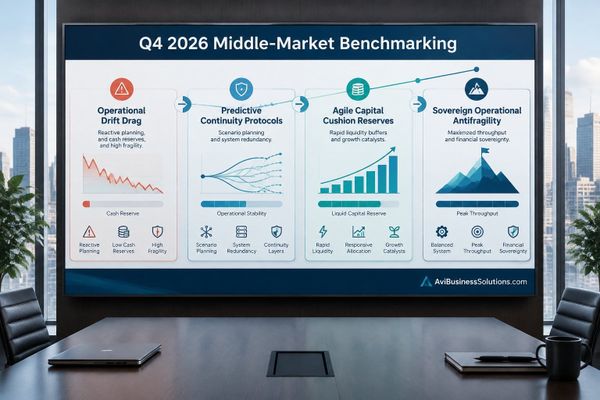
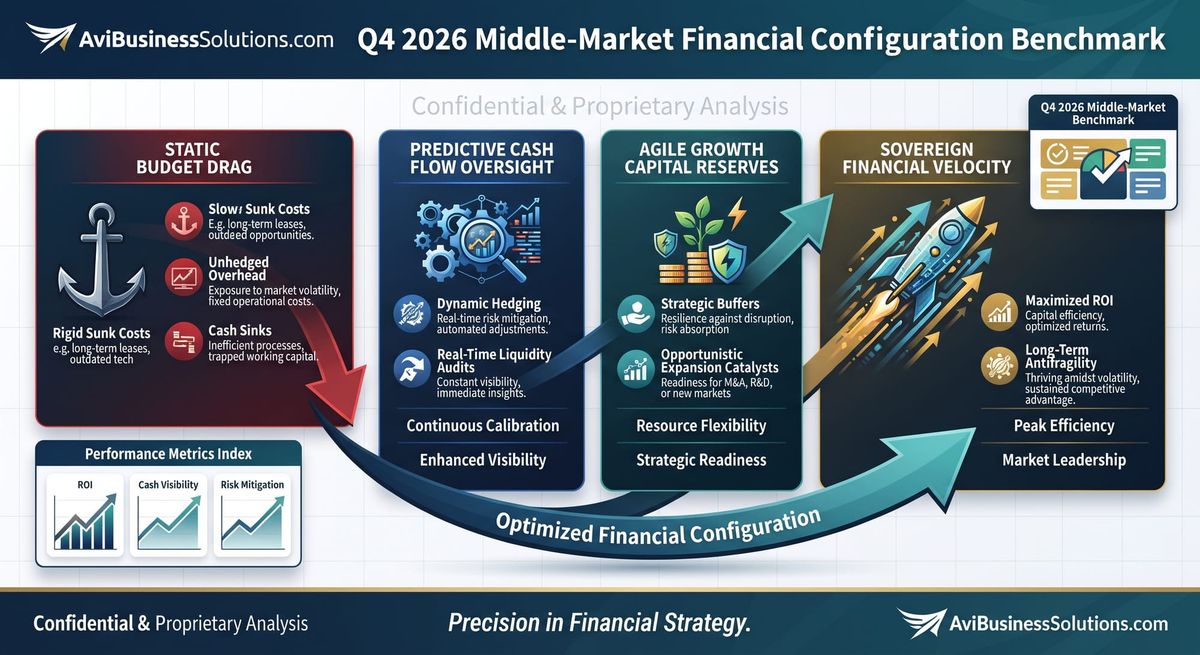
For small and medium businesses, that means practical shifts: swap rigid annual budgets for rolling 12-month forecasts, review each department’s profit monthly, and ensure you hit minimum margin targets before committing any capital.
An easy way to start? Try running a rolling forecast pilot in just one department. This gives you a low-risk way to get comfortable with the process and see the benefits for yourself. You’ll spot quick wins, build momentum, and shift resources from what’s not working to what is—without risking your cash flow.
The article suggests trying a 3–6 week ‘Supportive Capacity Audit.’ This is a straightforward way to map where your capital goes, see what's truly profitable, and spot wasted spending or decision bottlenecks. Usually, your finance team — or an outside advisor — will lead the charge and bring in department heads from across the business.
To get the audit rolling, your leadership team will want to pull together the latest balance sheets, departmental budgets, and cash flow statements. Expect some candid conversations with managers to uncover where processes slow things down or spending gets duplicated.
The result? A practical report for your leadership team that highlights where you can cut costs, boost margins, and make decisions more smoothly. Tools like real-time financial dashboards, dedicated growth financing, and flexible credit reserves can make these changes stick.
Bottom line: when you get disciplined about how you allocate capital, you protect your margins, stay nimble as the market shifts, and build trust with lenders, suppliers, and customers. AVI’s financing products can help, but plenty of other financial tools and advisors can, too.
It makes sense to shop around and see what fits your organization best before deciding.
Read the full article: https://nyack.top/4fb
Source: Cameron Nyack, AviBusinessSolutions, 3rd November 2026#Profitability #FinancialDiscipline #CapitalAllocation #CashFlow #BusinessLeadership